Get Fly Infestation Extermination
Fly infestation extermination services help property owners eliminate flies and prevent future outbreaks on residential or commercial projects.
Fly infestations can quickly become a nuisance for property owners, impacting comfort and hygiene. If you're noticing an increase in flies around your home or business, it’s important to explore effective extermination options. Local contractors who specialize in fly control can provide tailored solutions to address the specific needs of your property, helping to restore a clean and comfortable environment.
Planning a pest control project involves comparing different service providers to find the right approach for your situation. By exploring local options, property owners can identify experienced contractors equipped to handle fly infestations efficiently. Continuing to read can help you gather the information needed to connect with trusted professionals who can assist with your fly extermination needs.
- Common Projects Services
- Fly infestation extermination - needed when flies are breeding indoors or around the property, causing discomfort or health concerns.
- Fly trap installation and removal - appropriate when flies are persistently present and traditional methods have failed.
- Sanitation and debris cleanup - required after a fly infestation to eliminate breeding sites and prevent future issues.
- Environmental modification - recommended when structural changes are necessary to prevent fly entry or breeding.
- Preventative fly control consulting - suitable for ongoing protection in homes or businesses prone to fly problems.
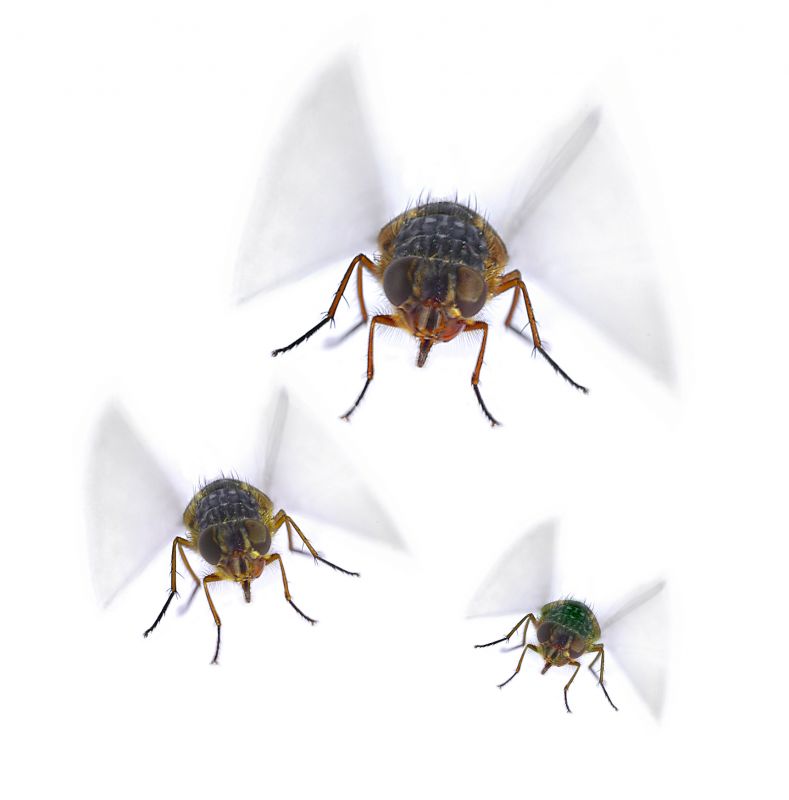
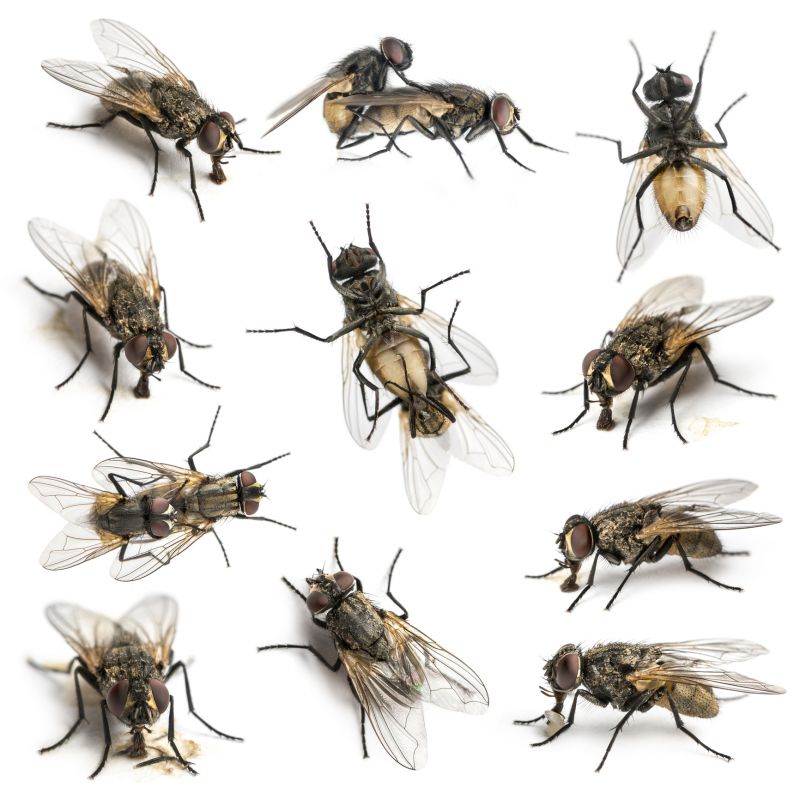
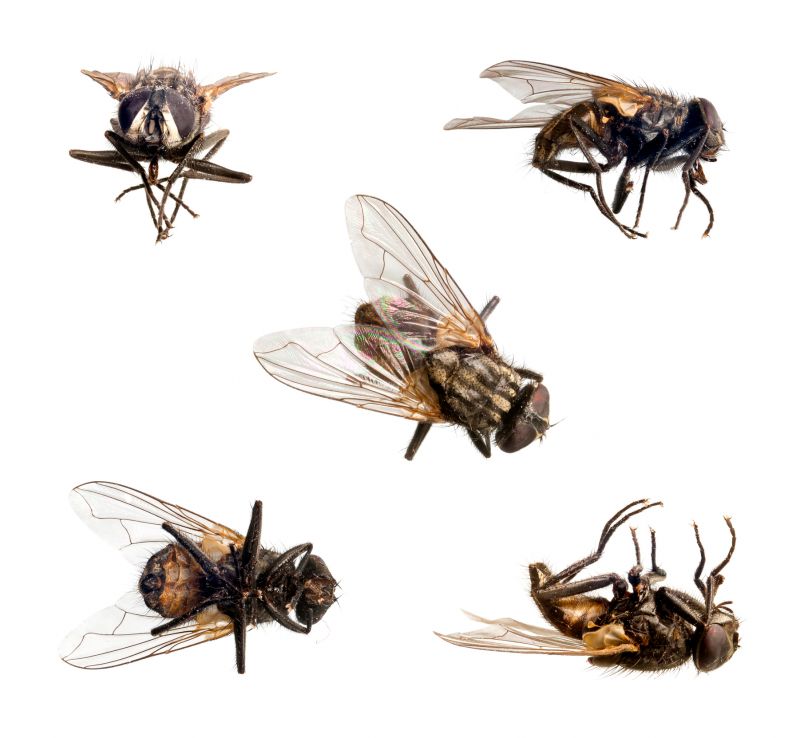
Fly infestation extermination services focus on removing flies and preventing future invasions within residential and commercial properties. These services typically involve thorough inspections to identify sources of fly activity, such as decaying organic matter, standing water, or waste areas. Once the problem areas are pinpointed, service providers implement targeted treatments that may include baiting, trapping, or applying safe insecticides. The goal is to eliminate existing flies and disrupt their breeding cycles, helping to restore a clean and hygienic environment.
Fly problems can cause significant discomfort and health concerns, especially in spaces where food is prepared or stored. Flies are known carriers of bacteria and other pathogens, which can lead to contamination of food, surfaces, and utensils. An infestation can also create unpleasant odors and attract larger pests if not addressed promptly. Service providers aim to reduce these risks by thoroughly eradicating flies and addressing underlying issues that attract them, such as uncovered garbage or moisture buildup.
These extermination services are commonly used in a variety of properties, including homes, restaurants, grocery stores, and food processing facilities. Any property that experiences frequent fly activity or has conditions conducive to breeding-such as open trash bins, compost piles, or damp areas-may benefit from professional intervention. Commercial properties, especially those involved in food handling, often rely on these services to meet health standards and maintain a clean appearance. Homeowners seeking to eliminate flies from their living spaces also frequently turn to local contractors for effective solutions.
Choosing to work with local service providers ensures access to experienced professionals who understand the specific challenges related to fly infestations. These experts can assess the unique conditions of each property, recommend appropriate treatments, and provide advice on preventing future issues. Whether addressing a sudden surge in flies or implementing ongoing prevention strategies, contacting a local contractor can help restore comfort and hygiene to both residential and commercial environments.
The overview below groups typical Fly Infestation Extermination projects into broad ranges so you can see how smaller, mid-sized, and larger jobs often compare in your area.
In many markets, a large share of routine jobs stays in the lower and middle ranges, while only a smaller percentage of projects moves into the highest bands when the work is more complex or site conditions are harder than average.
Smaller Repairs - Typical costs for minor fly infestation treatments generally range from $250 to $600. Many routine jobs fall within this middle range, covering standard extermination and prevention measures. Fewer projects reach the higher end of this spectrum unless additional services are needed.
Moderate Infestations - Larger or more persistent fly problems can cost between $600 and $1,200. These projects often involve more extensive treatments or multiple visits by local contractors. Many infestations are resolved within this range, while some may push higher depending on complexity.
Full Property Extermination - Complete eradication of flies from an entire property typically costs $1,200 to $3,000. This includes comprehensive inspections, treatment plans, and follow-up work. Most projects in this category are within this range, with fewer reaching the upper tiers for very large or complicated sites.
Large-Scale or Commercial Jobs - Extensive or commercial fly extermination services can range from $3,000 to $5,000 or more. These larger projects often involve specialized equipment and multiple service visits. Many contractors handle these projects at the lower end of this range, while larger or more complex sites may incur higher costs.
Actual totals will depend on details like access to the work area, the scope of the project, and the materials selected, so use these as general starting points rather than exact figures.
Rodent Extermination - involves identifying and eliminating pests that can attract flies, requiring similar inspection and baiting techniques used in fly infestation control.
Bee and Wasp Nest Removal - requires knowledge of insect behavior and safe removal methods, paralleling the planning and safety considerations in fly control projects.
Mosquito Control Services - focuses on eliminating breeding sites and applying targeted treatments, which aligns with the environmental management skills used in fly extermination.
Pest Inspection and Prevention - includes thorough assessments to identify pest entry points and nesting areas, similar to the planning phase in fly infestation treatments.
Sanitation and Waste Management Consulting - involves advising on sanitation practices to reduce pest attractants, a key component in controlling fly populations.
Commercial Pest Control - encompasses integrated pest management strategies that can include fly extermination techniques tailored for business environments.
When comparing service providers for fly infestation extermination, it’s important to consider their experience with similar projects. Homeowners should look for local contractors who have a proven track record in handling fly infestations, especially in environments comparable to their own homes. An experienced professional is more likely to understand the common causes of fly problems and employ effective methods to address them, reducing the chance of recurring issues.
Clear written expectations are essential to ensure that both the homeowner and the service provider are aligned on the scope of work. When evaluating options, it’s helpful to request detailed descriptions of the services offered, including what is included and any limitations. This transparency helps prevent misunderstandings and provides confidence that the chosen contractor understands the specific needs of the infestation.
Reputable references and good communication are key factors in selecting a reliable local contractor. Homeowners should seek out service providers who can provide references from previous clients with similar projects, offering insight into their dependability and quality of work. Additionally, responsive and clear communication throughout the process indicates professionalism and a commitment to customer service, making it easier to address questions or concerns as they arise. It’s important to remember that the site introduces homeowners to local options for fly infestation services, rather than performing the work directly.
Property owners use Fly Infestation Extermination services for practical projects around their homes and businesses. This guide focuses on everyday jobs and straightforward project options.
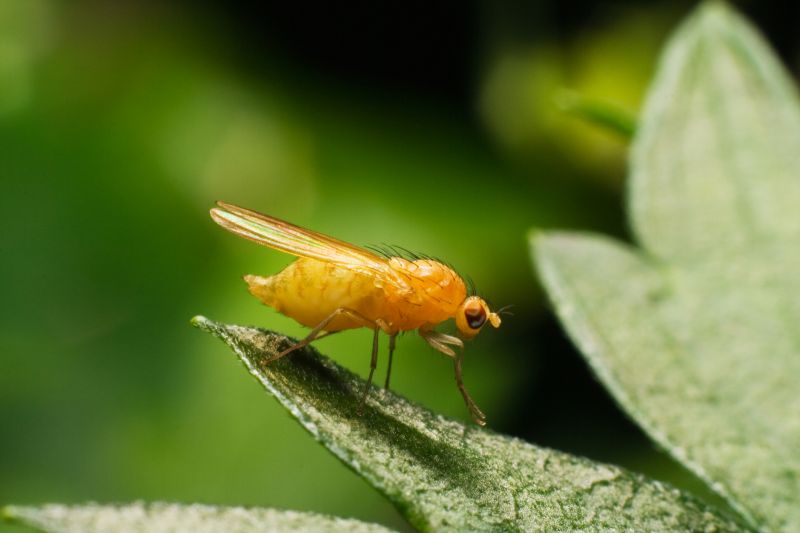

Fly infestations can become a common concern for property owners dealing with unsightly and unhygienic conditions, especially during warmer months or in areas with ongoing food or waste management issues. Local contractors who specialize in fly extermination are often called upon to address these problems quickly, whether it’s for residential homes, restaurants, or commercial buildings. Property owners may seek out these services to eliminate flies that are persistent despite basic cleaning efforts or to prevent future infestations from taking hold.
In many cases, property owners look for fly extermination services when they notice an increase in fly activity that disrupts daily life or affects business operations. Factors such as nearby garbage, standing water, or animal waste can attract flies, prompting a need for professional intervention. Local service providers are equipped to assess the situation and implement targeted solutions to reduce fly populations and restore a clean, pest-free environment.
What are common signs of a fly infestation? Signs include increased fly activity indoors, visible fly clusters, and the presence of larvae or eggs near food sources or waste areas.
How do local contractors typically handle fly infestations? They identify breeding sites, eliminate attractants, and implement targeted treatments to reduce fly populations effectively.
Are fly infestations dangerous to health? Yes, flies can carry bacteria and pathogens, potentially spreading diseases if not properly managed.
Can fly infestations be prevented? Proper sanitation, waste management, and sealing entry points can help prevent future fly problems.
What methods do service providers use to exterminate flies? They may use traps, sprays, and sanitation techniques to control and eliminate fly populations around the property.
Identify areas prone to fly infestations - property owners can inspect and pinpoint spots where flies are likely to breed, such as trash areas or standing water.
Implement preventative measures - local contractors can advise on sealing entry points and eliminating breeding sites to reduce fly populations.
Schedule targeted extermination treatments - property owners can arrange for professionals to treat problem areas and control existing fly infestations.
Maintain cleanliness to deter future infestations - regular cleaning and sanitation practices can help keep flies from returning to the property.
If you are thinking about Fly Infestation Extermination for a property, this guide is meant to help you understand the work, the typical project types, and how different options might fit your plans.
When you are ready, you can use the quote form on this page to share a few details about your project. From there, local pros can review the basics and respond with options that match what you have in mind.